
A radiator is most often not heating because air has built up in it, the thermostatic valve is stuck or a valve is closed, or the heating has not yet been switched on in the building. If one radiator is cold but the others are warm, the fault is usually at that radiator, and it can be fixed in the apartment. If all the radiators are cold, or the neighbours on the same riser have the same problem, it is a matter for the building's heating system and must be reported to the house manager.
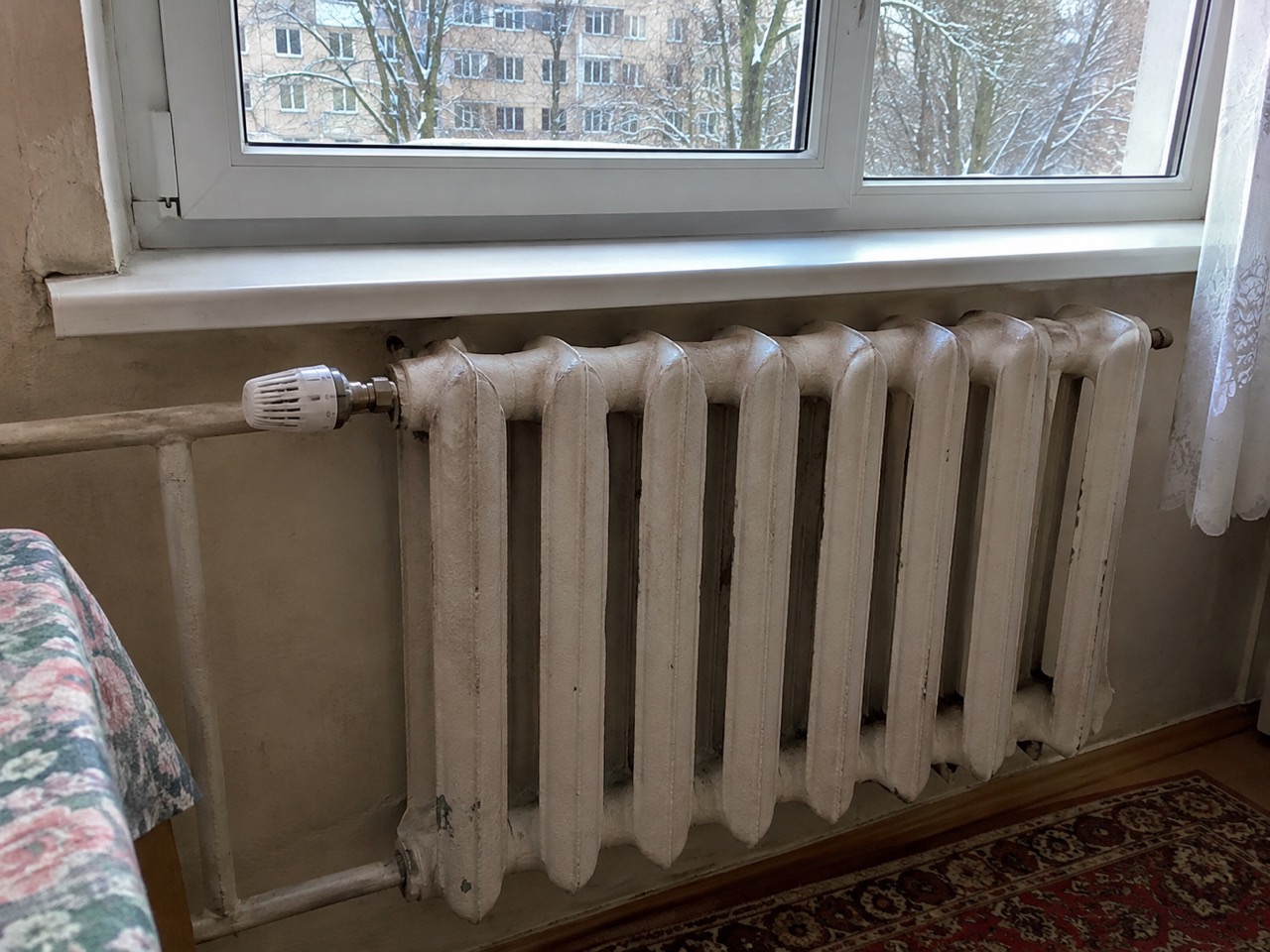
Before you turn anything, feel all the radiators in the apartment and the pipes that lead to them. Also ask the neighbours above and below you. The table helps you work out where the fault most likely is.
| What you see | Possible cause | Who deals with it |
|---|---|---|
| All radiators cold, also at the neighbours' | The heating has not yet been switched on for the building, or there is a fault in the heating substation | House manager |
| In autumn or spring the radiators are cool during the day and warm up in the evening | The heating substation controls adjust to the outdoor temperature | Usually normal; if in doubt, the house manager |
| Radiator warm at the bottom, cold at the top, gurgling sounds | There is air in the radiator | Bleeding: yourself or a plumber |
| Top warm, bottom or middle cold | Sludge at the bottom of the radiator | Flushing or replacement |
| One radiator cold, the pipe to it warm | A stuck thermostatic valve or a closed valve | A check, then radiator repair |
| Cold radiators on one riser over several floors | Air in the riser, balancing, or alterations in one of the apartments | House manager |
In an apartment building the heating is switched on for the whole building, not for a single apartment. In 2025 Rīgas namu pārvaldnieks explained its criteria: for at least three days the air has not warmed above 14 degrees, at some point it has cooled to 8 degrees, and similar weather is expected for the next three days. Each building is told its switch-on date individually on the e-parvaldnieks.lv portal or in the app.
For the first two weeks after switch-on the systems are stabilised and bled, so some radiators may warm up unevenly at first. Apartment owners can agree on an earlier or later switch-on if there is a person authorised in advance to choose the date on behalf of the building. Other house managers may have different arrangements, so ask yours.
In mild weather the radiators may be cool during the day even after switch-on. In 2019 RNP stated that an automatic heating substation supplies heat to the apartments when the outdoor temperature drops below +12 degrees.
Thermostatic head to maximum
Turn the thermostatic head to the highest number and wait half an hour. If the room is warm, the thermostatic head is closing the radiator correctly, and that is not a fault.
Check the valves
If the radiator has a hand valve, make sure it is open. Do not touch a valve with a cap and an adjusting screw under it: it is set for the whole system.
The thermostatic valve pin
Remove the thermostatic head (it is usually held by a nut or a clip). Under it there is a metal pin. If it is pressed in and does not spring back out, it has stuck over the summer. Press it lightly and release it a few times. If water appears around the pin, stop and put the head back on.
Bleeding
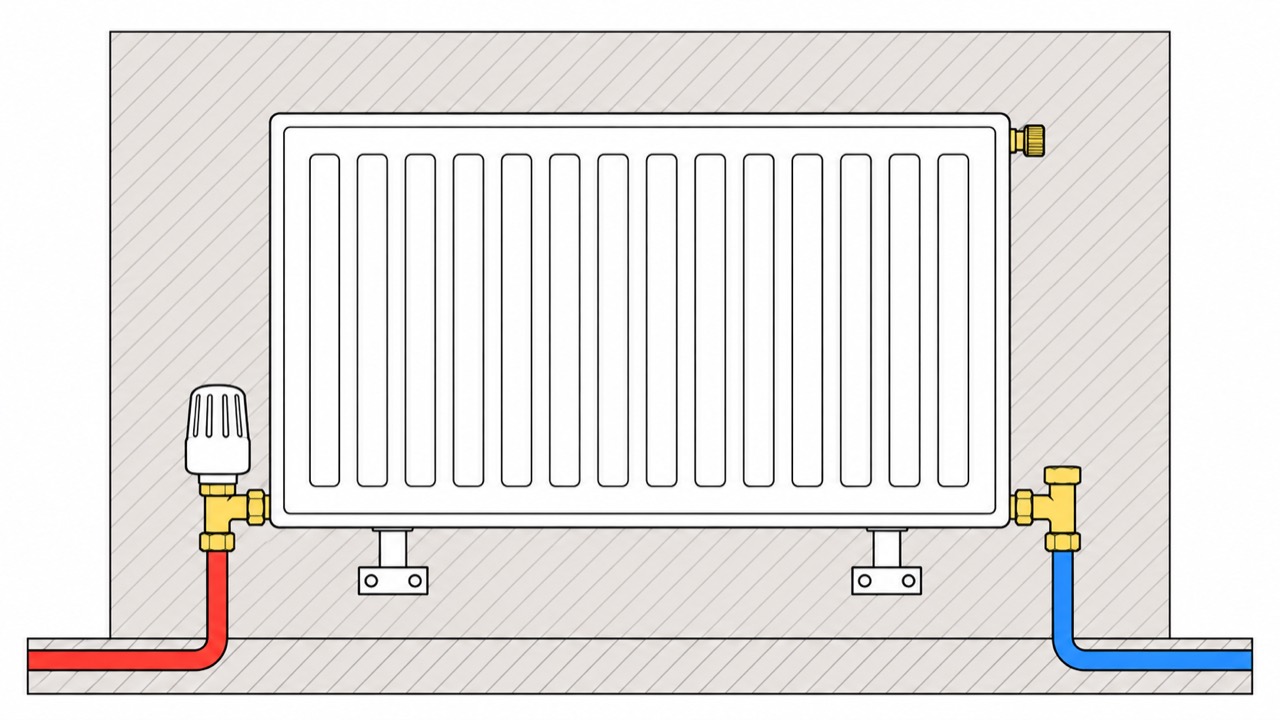
The bleed valve is in the top corner of the radiator. Hold a cloth and a container underneath and slowly turn the screw with a screwdriver or a radiator key. When the air stops hissing and water appears, close it. The water may be hot and dark, so do not take the screw all the way out.
Free space for the heat
Curtains, furniture and a thick layer of dust reduce the heat output. Rīgas siltums recommends keeping radiators clear and vacuuming them before the season.
If the radiator leaks at a valve or joint, do not force old nuts tighter. Put a container underneath, wipe up the water and report it to the house manager or book a repair.
The building's heating system is common property. Under the Apartment Property Law (Dzīvokļa īpašuma likums), the radiators in an apartment also belong to the common property if their operation depends on the building's utilities. Maintenance and routine repair of the system are a mandatory duty of the house manager under the Residential Property Management Law (Dzīvojamo māju pārvaldīšanas likums).
Report it to the house manager if all the radiators are cold, if air builds up again after bleeding or if several apartments on one riser are cold. Then the fault is in the heating substation, in removing air from the riser or in balancing. Another frequent cause is a radiator that someone has replaced without approval: read about this in the article on getting radiator replacement approved.
In your report, give the address, which radiators are not heating, since when, and whether the neighbours have the same problem. RNP asks for faults to be reported on the e-parvaldnieks.lv portal or in the app.
Radiator repair is needed if the fault is at your radiator but you cannot fix it yourself:
Changing a thermostatic head does not require the riser to be shut off. To replace a valve or a radiator in a building with central heating, the riser usually has to be closed and drained, and the house manager organises this. Rīgas siltums states that radiators can be replaced from about 1 May to 1 October, once the technical documentation has been approved.
If the radiator is old and clogged, radiator replacement may be the better option, which costs from €70 per radiator (labour). Repair costs from €40 per call-out, and the final price depends on the type of valves, access and whether the riser has to be shut off. We agree the price before the work starts.
| Service | Price | Notes |
|---|---|---|
| Radiator repair | from €40 | bleeding, valves, thermostatic heads; we agree the price before the work |
| Radiator replacement | from €70 | for 1 radiator; radiator and valves extra |
Sources
After submitting, we'll contact you within 5 minutes!
We'll contact you within 5 minutes!